 BePuzzled Puzzle Rooms


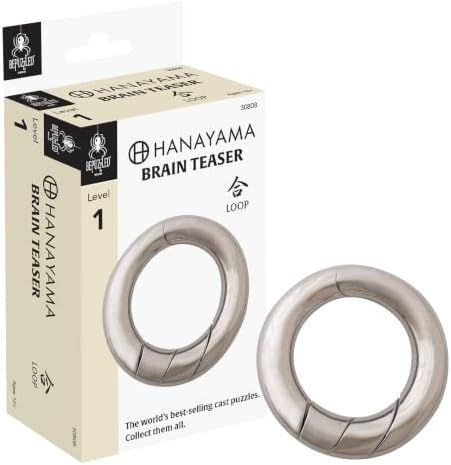
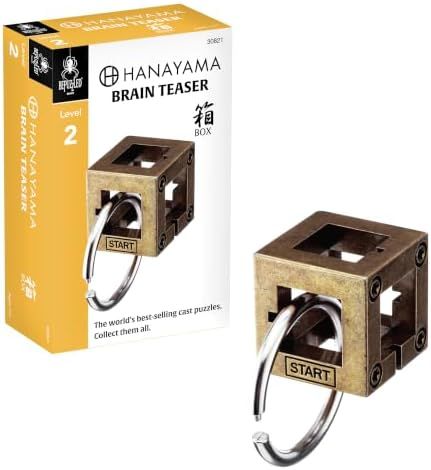
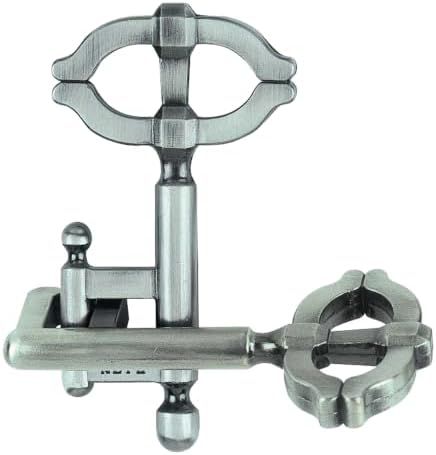
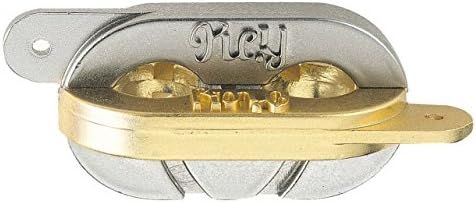
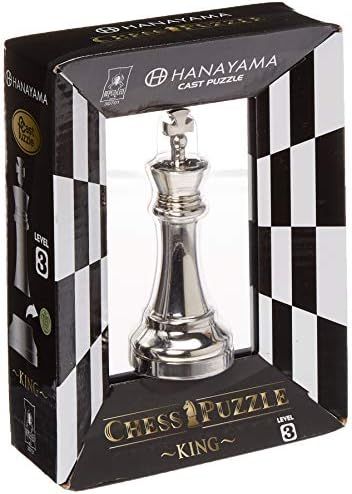
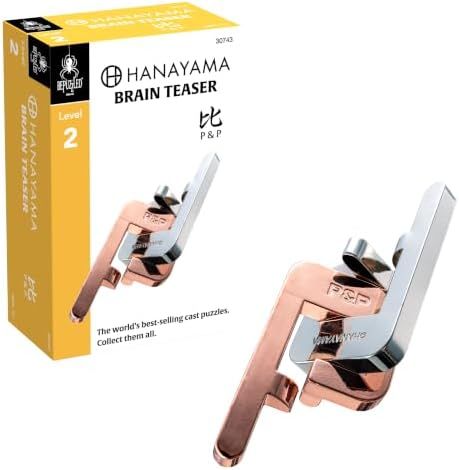
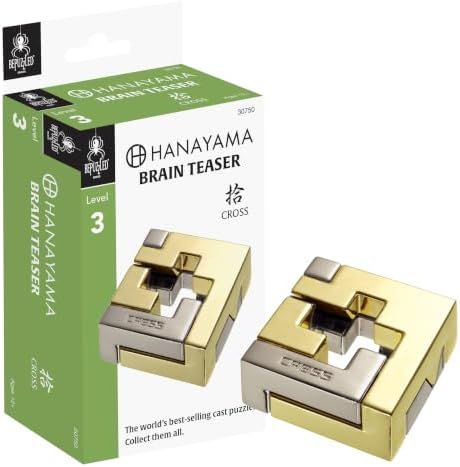
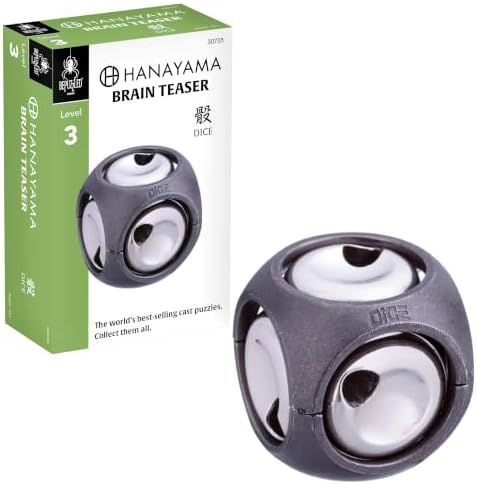
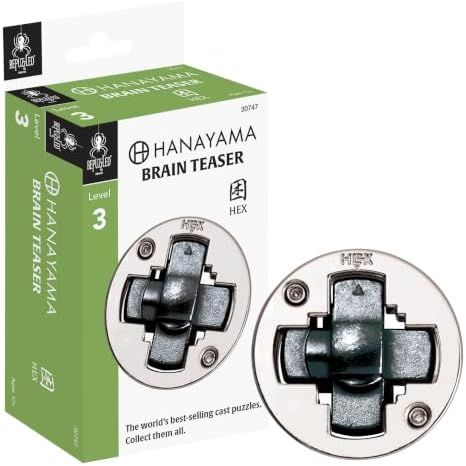
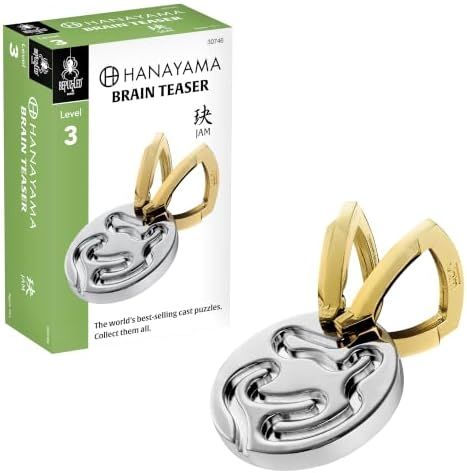
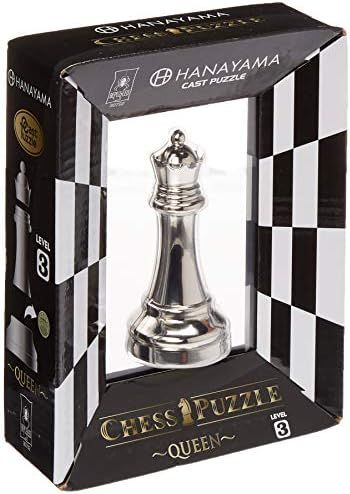
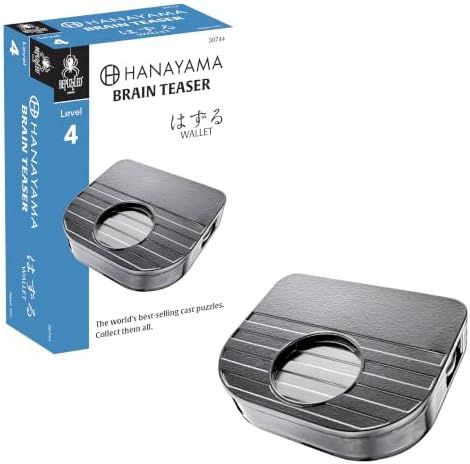
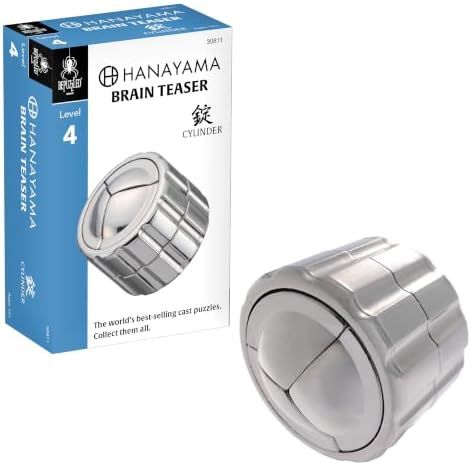
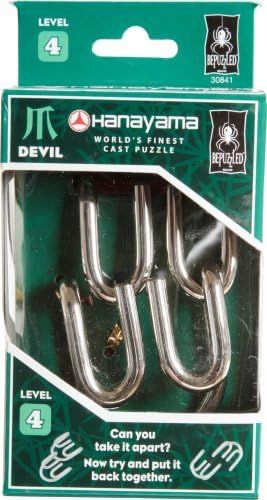
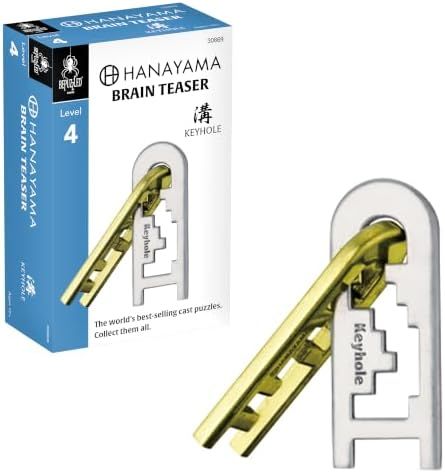
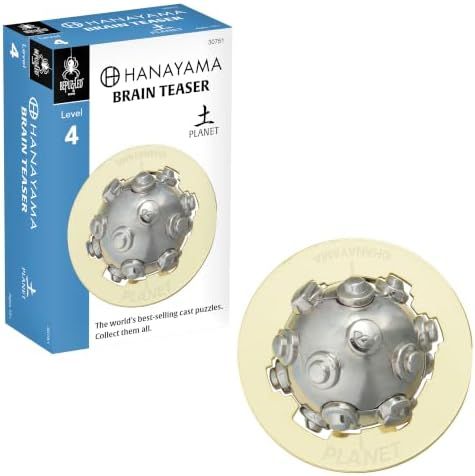
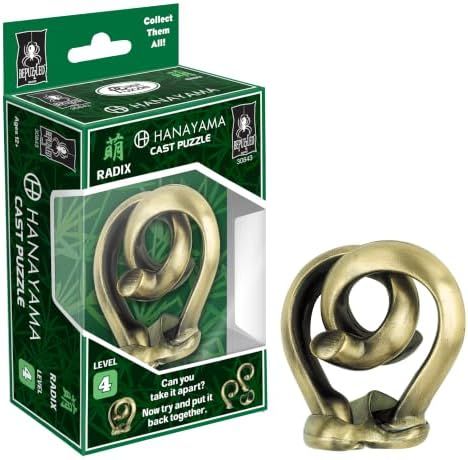
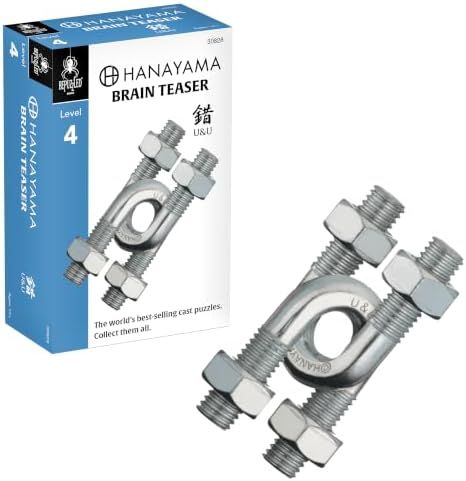
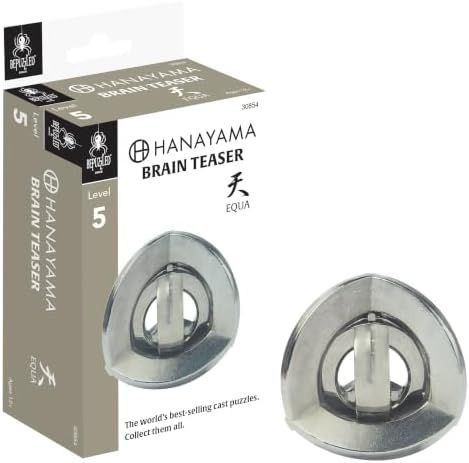
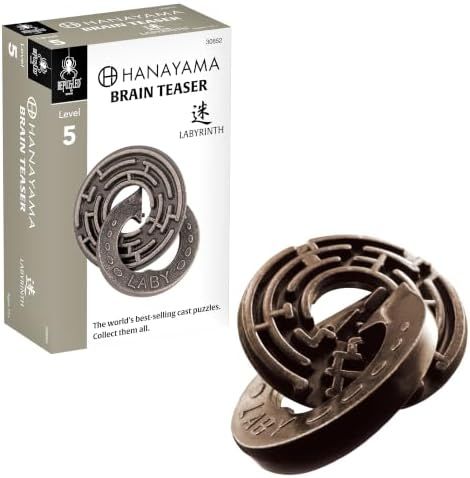
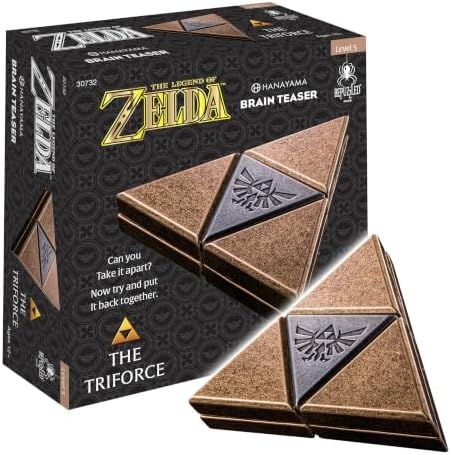
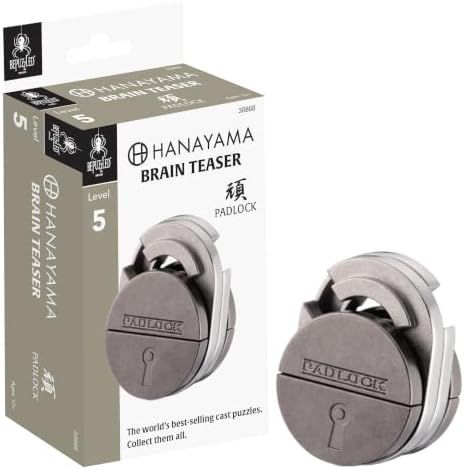
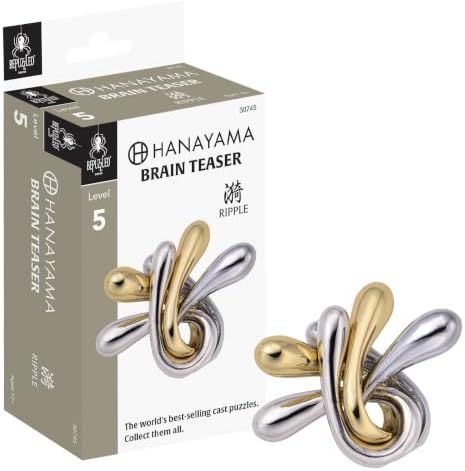
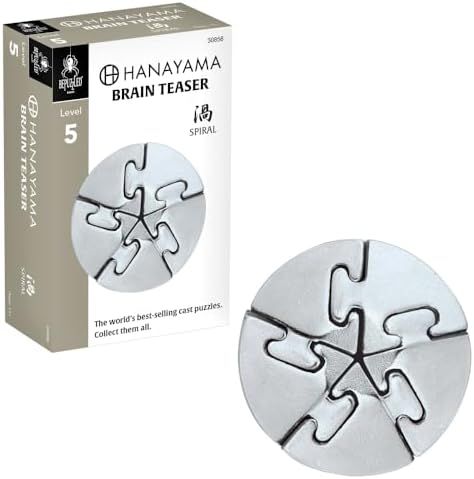
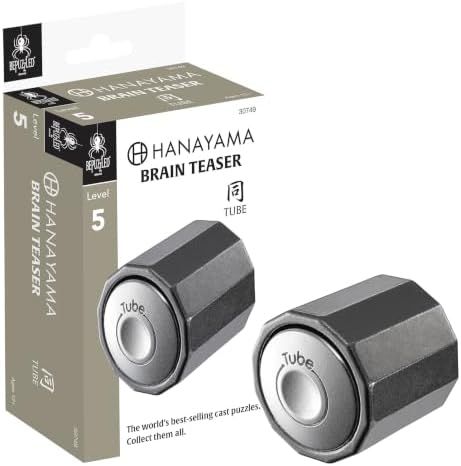
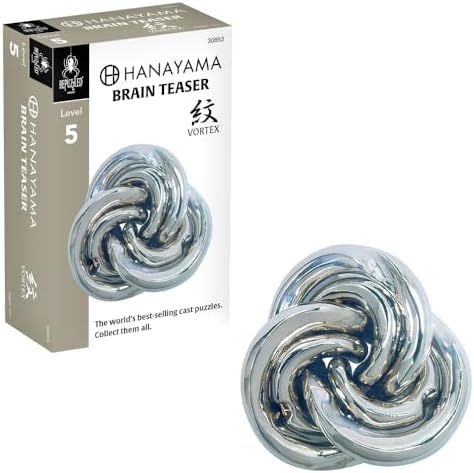
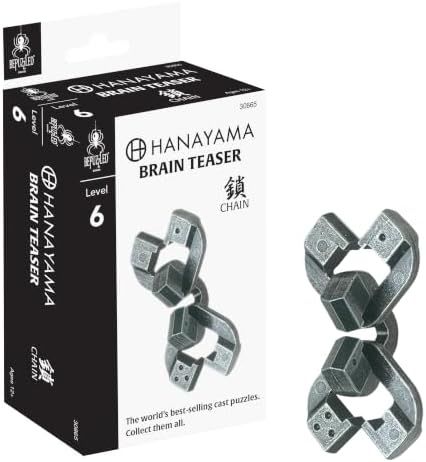
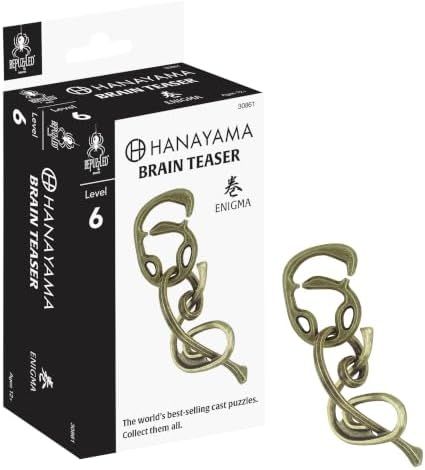
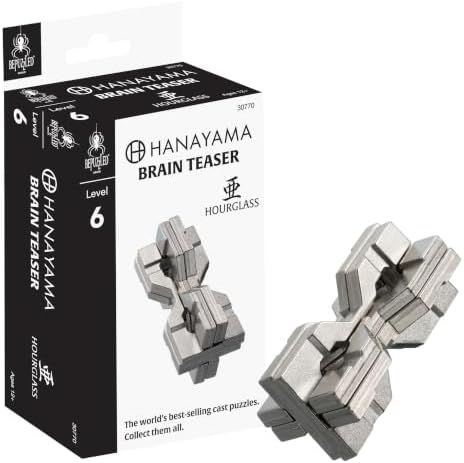
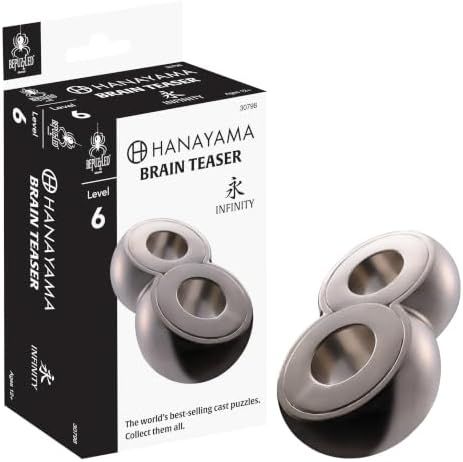
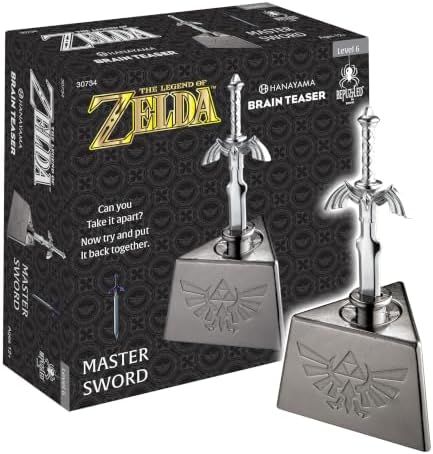
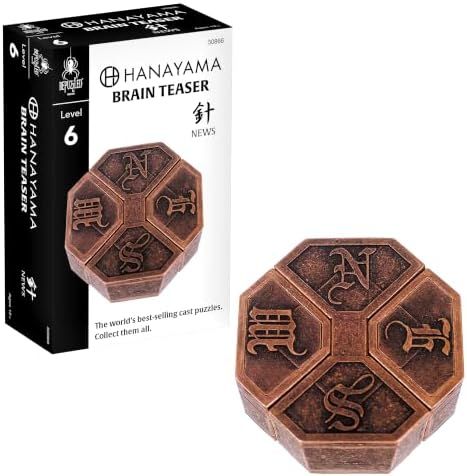
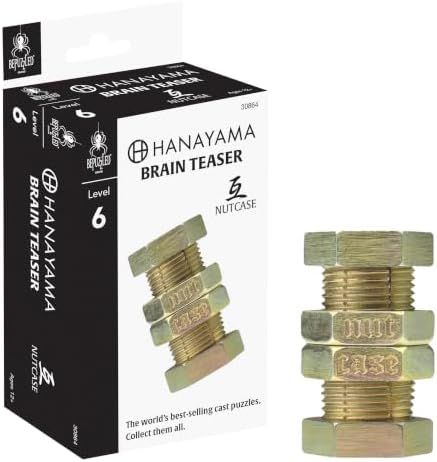
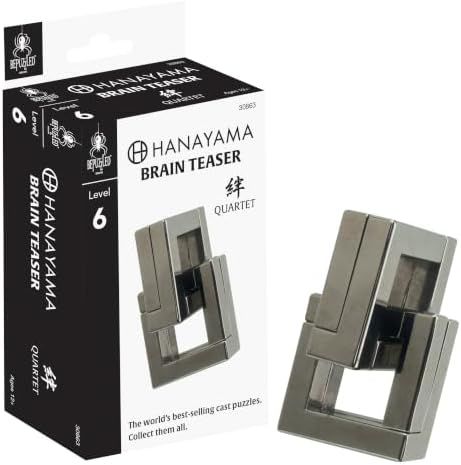
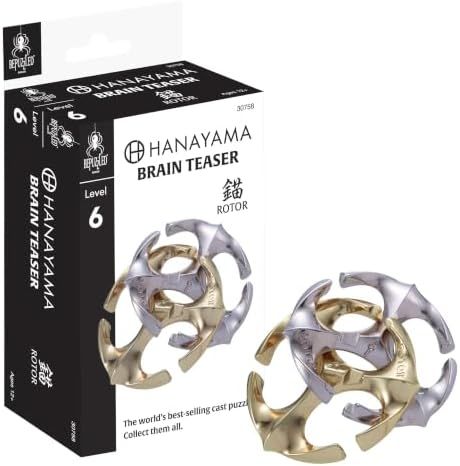
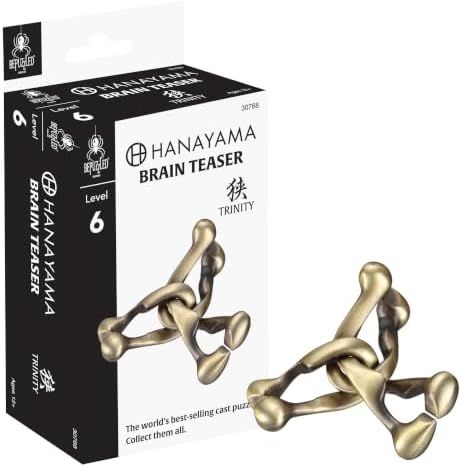
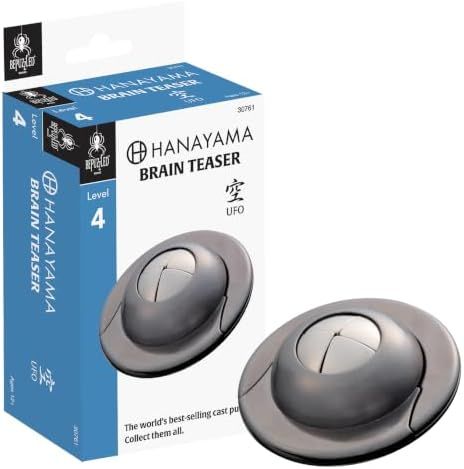
The grade is the whole label. Hanayama grades every cast puzzle from 1 to 6. A level 1 comes apart in a few minutes of fiddling. A level 6 has defeated people who solve crystal puzzles in their sleep, and the box says so without apology.
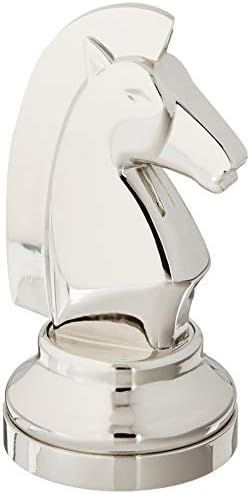
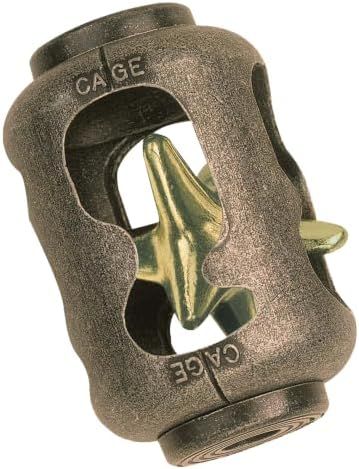
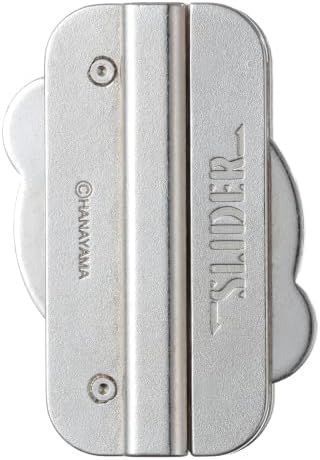
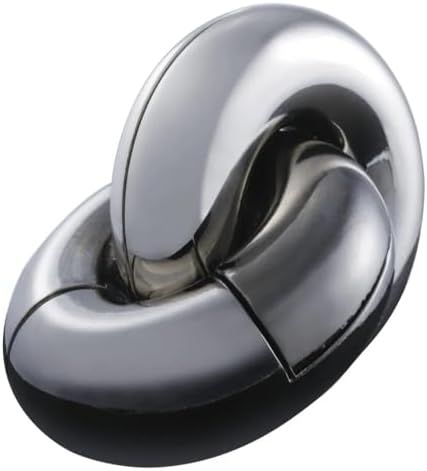
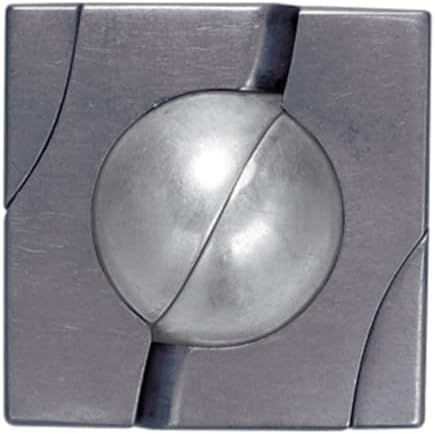
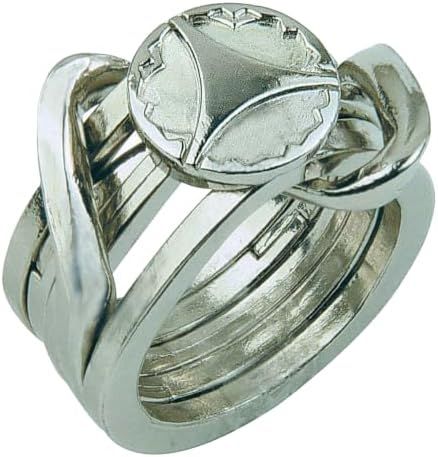
Weight you can feel. These are cast, not stamped. The halves meet with a dull click rather than a rattle, and the finish is meant to wear: a cast puzzle that has been carried in a pocket for a year looks better than one still in the wrapper.
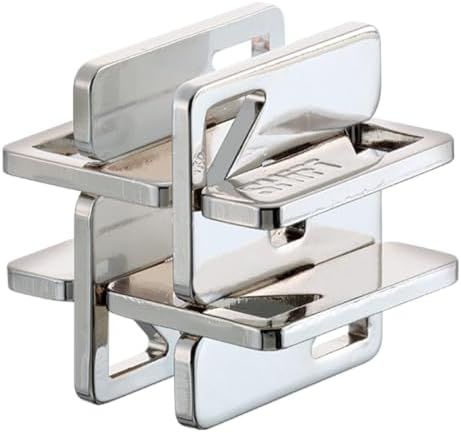
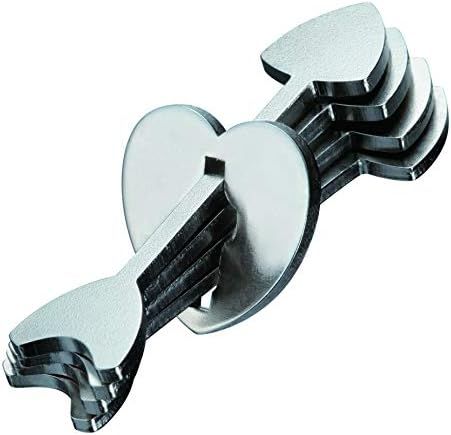
No force, ever. If a cast puzzle needs force, the move is wrong. Every solution is a rotation or a slide that lines up two gaps you cannot see at the same time.
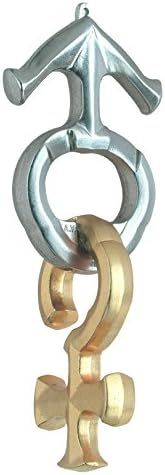
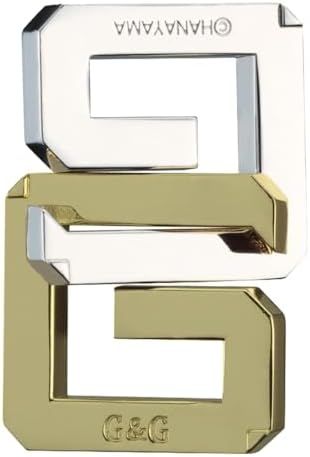
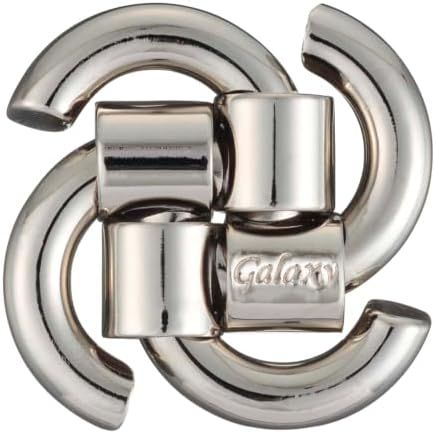
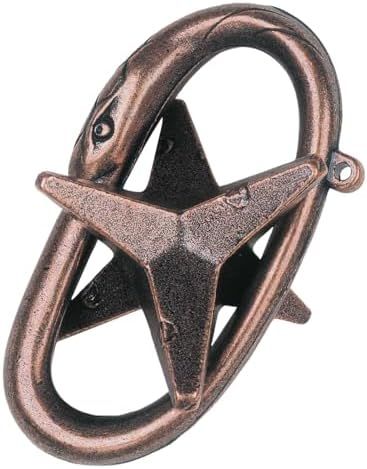
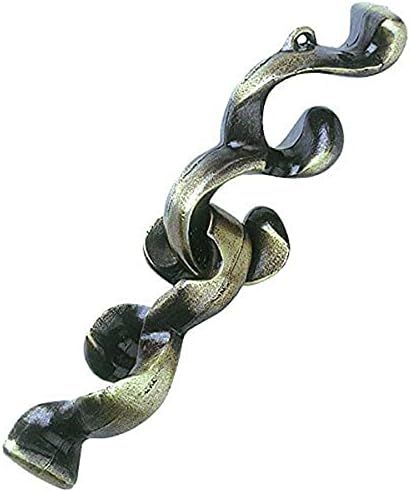
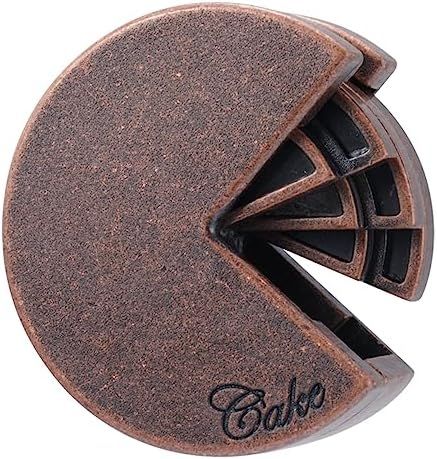
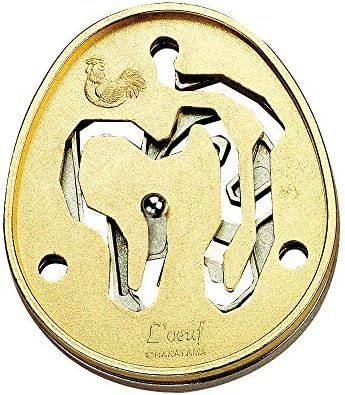
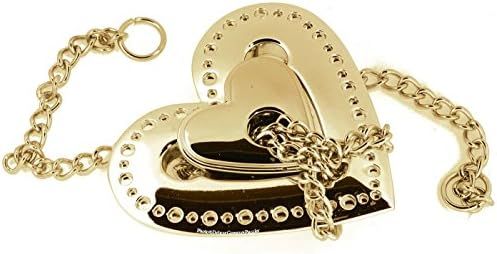
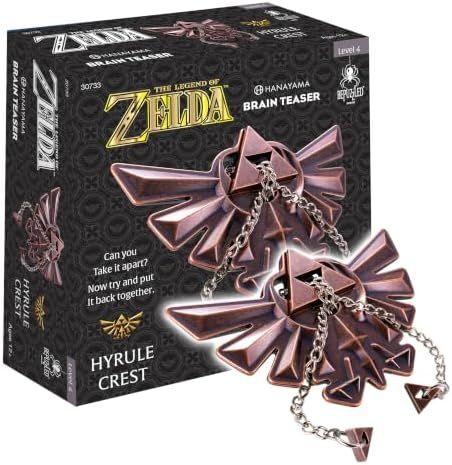
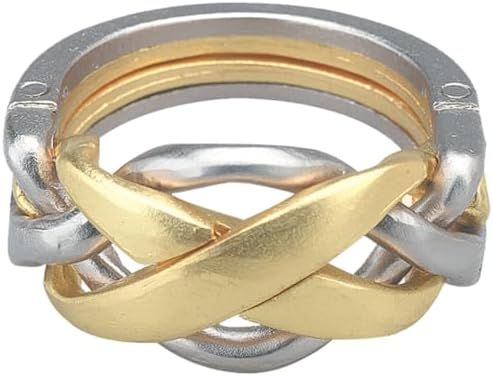
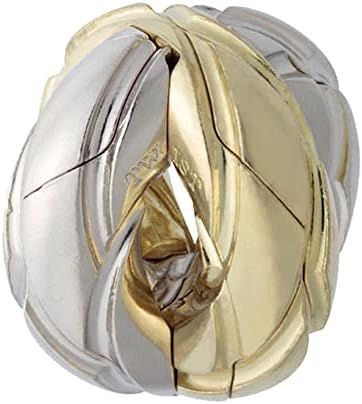
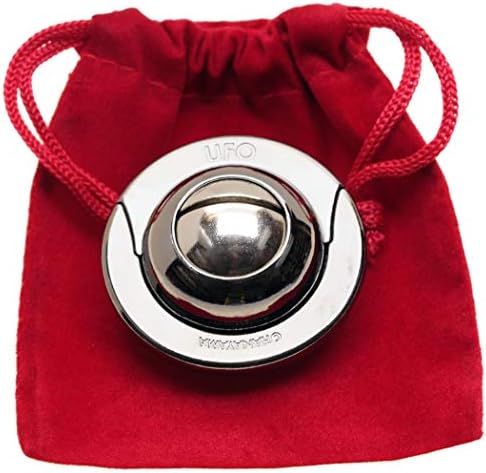
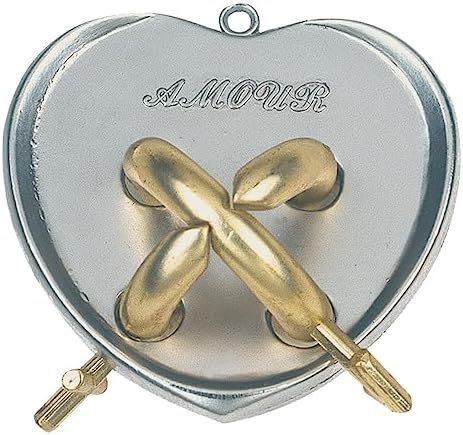
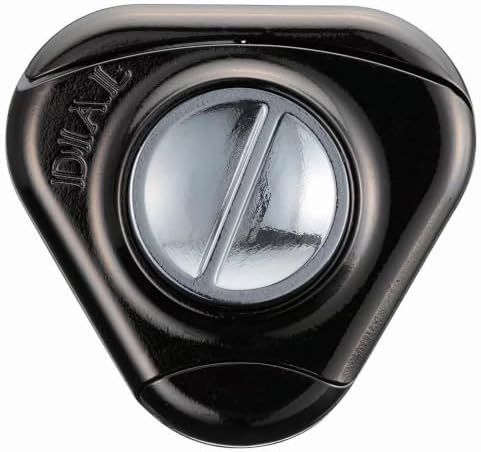
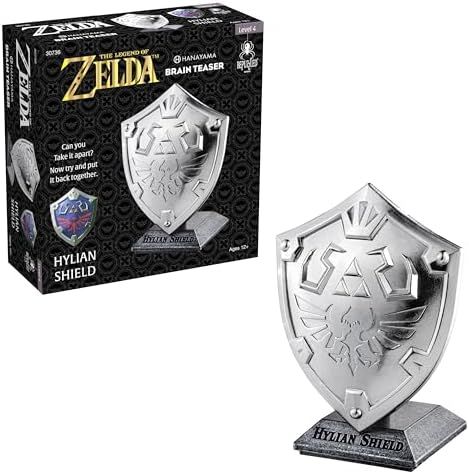
Designs, not decoration. The designs on this shelf are drawn by named puzzle makers and the names stay on the box. Finish is the only color choice you get: nickel, brass and a dark gunmetal that hides fingerprints better than the other two.
Why people collect them. Cast metal collections grow faster than crystal ones, because a solved puzzle goes back in the pocket rather than onto a shelf. A 3D crystal puzzle is a finished object; a cast teaser is a thing you carry.
Hands and attention. There is no reading and no small print, which makes the shelf accessible to anyone who can turn a piece over. What it really trains is spatial skill and fine motor patience, and that is the same muscle a crystal build uses.
Navigating the grades. We sort the shelf by level, then by size, so you can navigate from a ten-minute level 2 to a month-long level 6 without reading a single description.